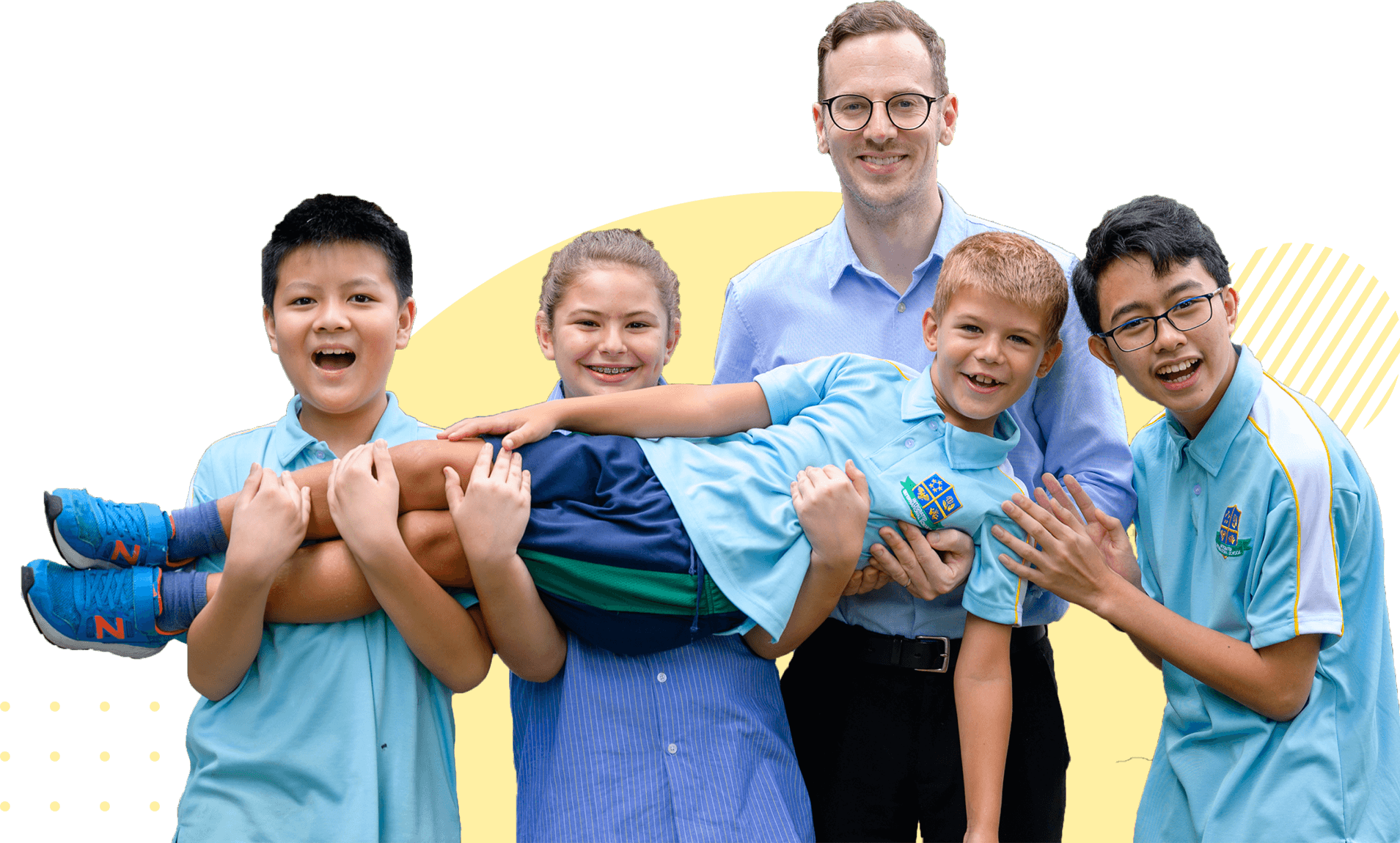
Integrated International School (IIS) is an autism international school in Singapore that provides personalised education and special education needs support for autistic and other neurodivergent learners. As a private international school delivering the British curriculum through Pearson Edexcel and Cambridge, we combine specialist teaching, integrated therapeutic support, and small class sizes so students can progress academically, socially, and emotionally at a pace suited to them.
Established in 2009 and EduTrust certified (26 February 2026 to 25 February 2030), IIS is a private school that provides special education needs support within a neurodiverse learning community. Our maximum 1:6 teacher-to-student ratio gives educators the time to know each learner and adapt teaching to their profile while maintaining academic rigour. Our Von Auer Collaborative Teaching Approach™ brings together teachers, therapists, and counsellors to develop coordinated learning strategies that support academic progress, communication, social development, and independence.
IIS provides personalised support that enables autistic learners to access the mainstream British curriculum in an inclusive international school setting. Every student's programme is shaped around their learning profile through individualised planning, small class sizes, collaborative teaching, and structured classroom support. This approach helps students develop academically while building confidence, communication skills, and independence.
Teachers develop individualised learning plans based on academic ability, communication style, developmental needs, and educational goals. These plans are reviewed regularly, allowing teaching strategies and learning objectives to evolve as students progress.
With a maximum 1:6 teacher-to-student ratio in a group setting, our educators have the capacity to personalise instruction, follow each student's progress closely, and adapt lessons as learning needs evolve.Smaller classes also create more opportunities for meaningful participation, timely feedback, and stronger teacher-student relationships.
Our Von Auer Collaborative Teaching Approach™ brings together teachers, therapists, and counsellors to support every student's development. By aligning classroom instruction with therapeutic strategies, students receive consistent support throughout the school day while working towards shared academic, communication, and social goals.
The Von Auer Collaborative Teaching Approach is a psychology-informed, inclusive approach that encourages educators to work with students rather than relying on authority, control or compliance. It recognises that behaviour is a form of communication and that students are more likely to learn when they feel safe, understood, included and capable.
Rather than asking only, “How do we stop this behaviour?”, educators are encouraged to consider what the student may be communicating, what factors may be contributing to the difficulty and what support or environmental changes are needed. Teachers maintain clear and appropriate boundaries while using connection, curiosity, co-regulation and collaborative problem-solving to help students develop the skills they need.
The approach also emphasises shared responsibility. Teachers, support staff, specialists, leaders, families and students work together instead of placing the responsibility for change solely on the child or an individual educator. The aim is to create psychologically safe classrooms in which differences are respected, relationships are prioritised and challenges are addressed with kindness, consistency and practical support.
Ultimately, the Von Auer Collaborative Teaching Approach moves education away from a model of managing and controlling students towards one of understanding, supporting and empowering them.
Students benefit from organised classroom routines, clear expectations, and personalised teaching strategies that promote engagement and reduce unnecessary barriers to learning. Alongside academic instruction, our educators help students strengthen communication, emotional regulation, social interaction, and independence through everyday learning experiences.