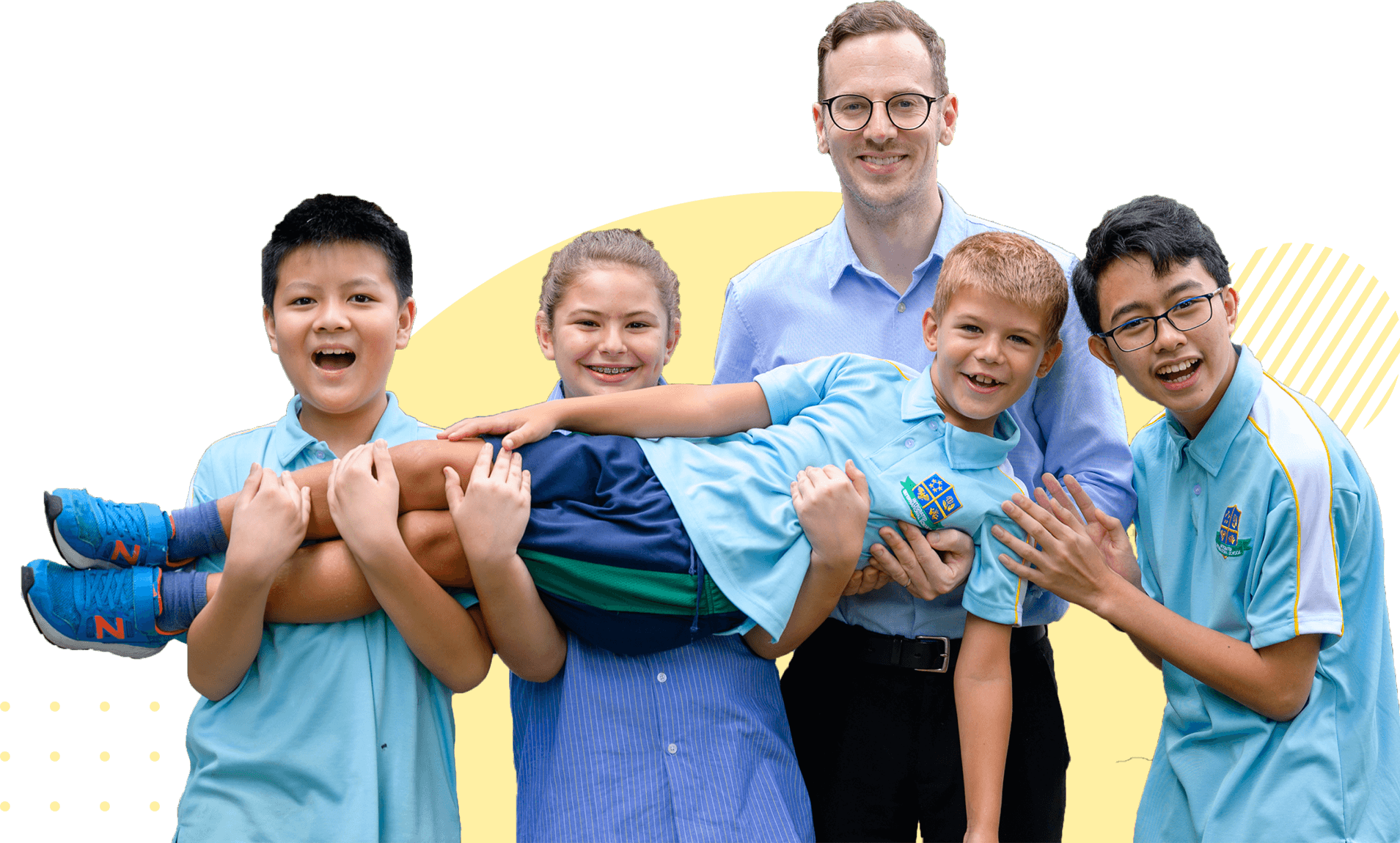

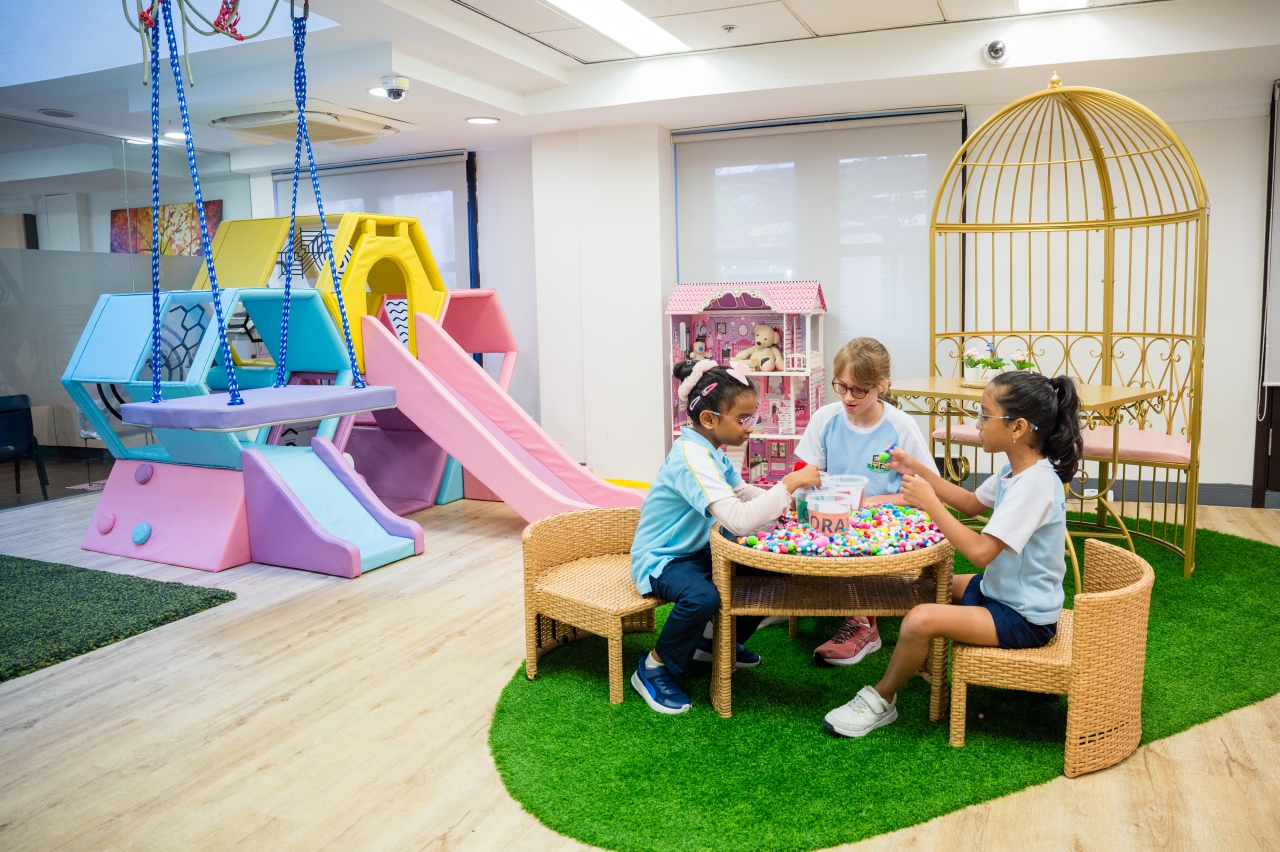
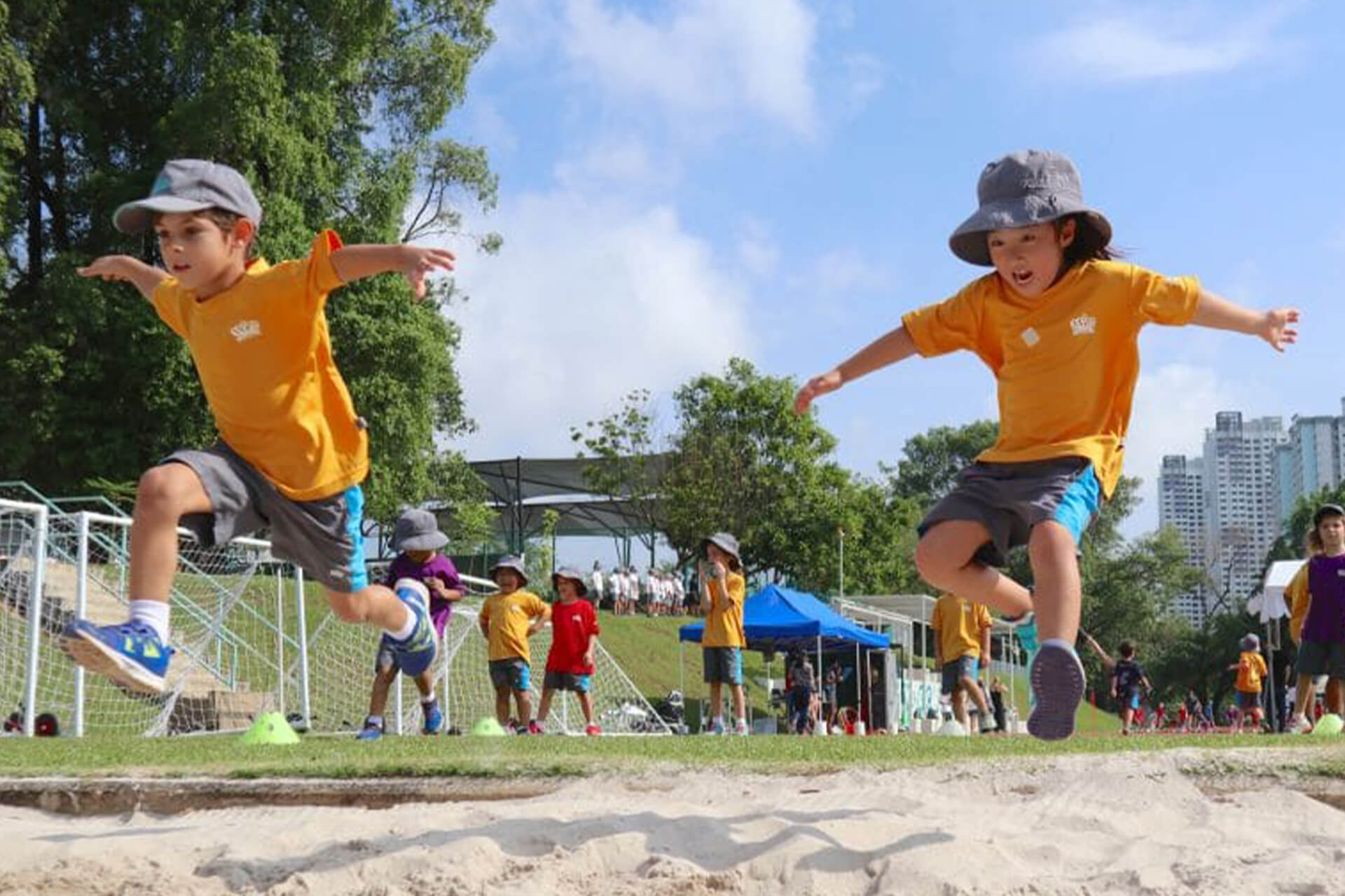
Come down for a campus tour! Witness our tailored teaching approach and inclusive learning programmes in our British curriculum.
Inclusive Schools vs Mainstream Schools in Singapore
Choosing the right school is one of the most important decisions a parent will make. In Singapore’s highly regarded education system, families are often faced with a key question: inclusive schools vs mainstream schools — which is the better fit for my child?
As awareness around diverse learning needs grows, more parents are exploring inclusive schools in Singapore and how they differ from traditional mainstream education. Understanding these differences can help you make a confident, informed choice that supports not just academic success, but your child’s overall wellbeing.
At
The Integrated International School (IIS)
, inclusive education is a core philosophy that shapes how students learn, grow, and thrive. It is our belief that an
inclusive approach to education
is key to holistic education and building empathy amongst students.
Understanding The Education Landscape in Singapore
Singapore’s education landscape is diverse, offering parents a range of pathways including local mainstream schools, international schools, and inclusive education environments.
Mainstream schools typically follow a standardised curriculum designed for the majority of learners. Inclusive schools, on the other hand, are built around the idea that children learn differently and benefit from varied teaching approaches, pacing, and support structures.
As conversations around mental wellbeing, neurodiversity, and emotional safety become more prominent, parents are increasingly reassessing what “success” in education truly means for their child.
What Is Inclusive Education
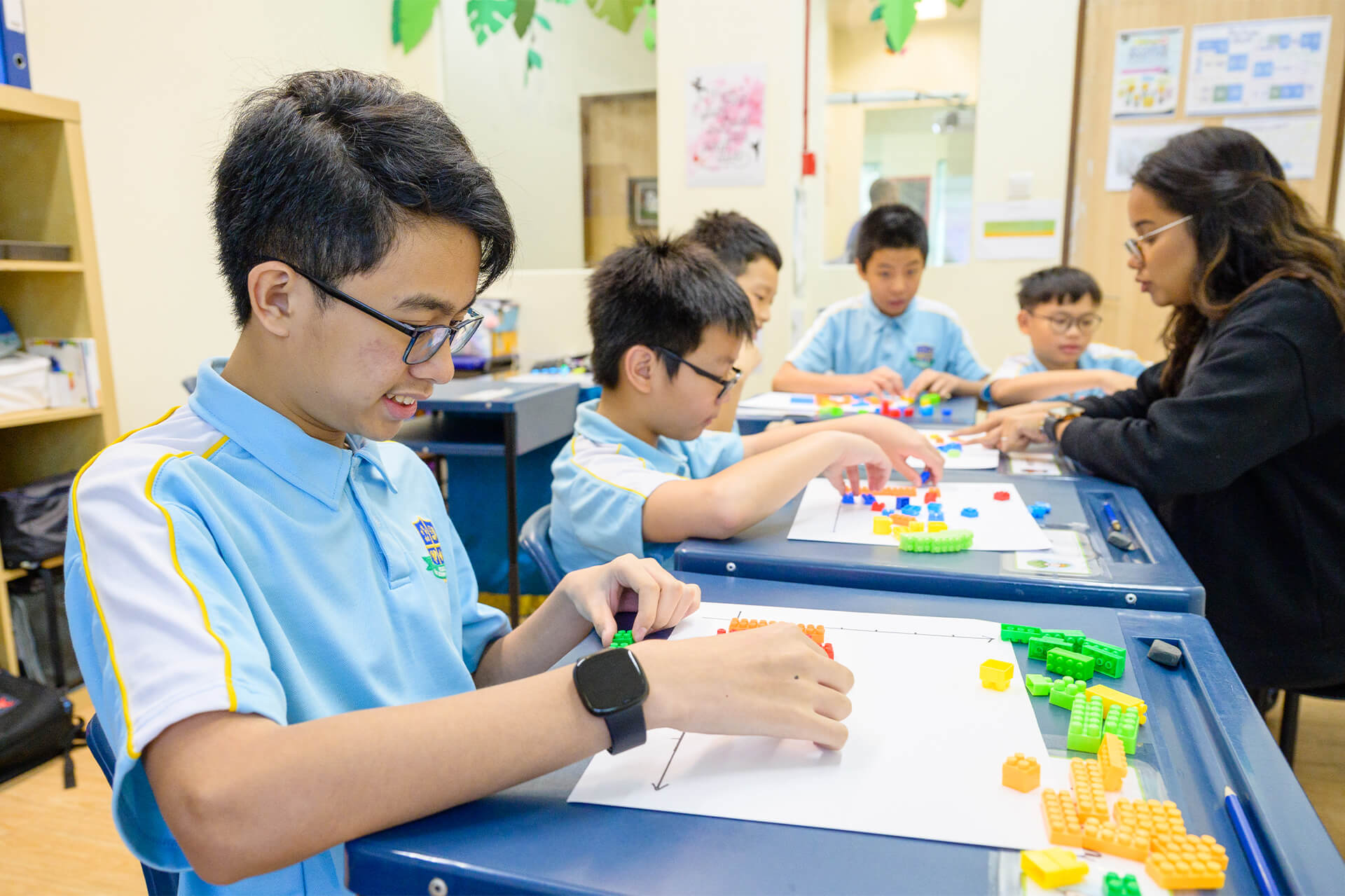
Inclusive education is an approach to teaching that ensures every child feels valued, supported, and able to participate fully in learning, regardless of their academic, social, emotional, or behavioural needs.
The purpose of inclusive education is not to lower academic standards, but to remove barriers to learning. Emphasis is placed on flexibility to adapt teaching methods to different learning styles, providing learning support and therapeutic interventions when needed, and fostering empathy, understanding, and respect among students.
In short, inclusive schools focus on developing the child as a whole — academically, emotionally, and socially — creating a safe environment where children feel confident to ask for help and be themselves.
What Is Mainstream Education
Mainstream education in Singapore is designed to educate large groups of students using a standard curriculum and structured classroom environment.
The purpose of mainstream education is to provide consistency, academic rigour, and a common benchmark for learning outcomes. Many children thrive in this setting, particularly those who learn well in structured environments, are comfortable with larger class sizes, or require minimal additional academic or emotional support
However, mainstream schools may have limited flexibility in addressing individual learning needs, especially when students require more personalised attention or emotional support.
Inclusive Education vs Mainstreaming: What’s The Difference?
One of the most common points of confusion for parents is inclusive education vs mainstreaming. While the terms are often used interchangeably, they are not the same.
Mainstreaming typically means placing a child with additional needs into a mainstream classroom, often with limited adjustments. The child is expected to adapt to the existing system.
Inclusive education, by contrast, adapts the system to support the child.
So, what is the difference between mainstreaming and inclusive education? Inclusive education focuses on proactive support, not reactive fixes. As such, inclusive education incorporates teaching strategies, assessments, and classroom environments that are flexible to meet the individual needs of children. Furthermore, inclusive education places emphasis on learning beyond academics, such as emotional wellbeing and social development.
This distinction is crucial when considering long-term confidence, resilience, and love for learning.
Should Your Child Go To An Inclusive Or Mainstream School
There is no one-size-fits-all answer, and that’s okay.
Parents often scratch their heads over which school system would work best for their child. Here’s a few things to consider that could make your decision slightly easier.
An inclusive school may be a strong fit if your child:
- Learns at a different pace
- Experiences anxiety, social challenges, or low confidence
- Benefits from personalised attention and support
- Thrives in smaller, more nurturing environments
A mainstream school may be suitable if your child:
- Is comfortable in highly structured settings
- Learns independently with minimal support
- Enjoys larger peer groups and standardised learning paths
The key is not labelling a child, but choosing an environment that allows them to feel safe, supported, and motivated to learn.
Putting Your Child On The Right Track
Ultimately, the right school is one that meets your child where they are and helps them move forward with confidence.
Inclusive schools in Singapore work because they align with a growing understanding that emotional wellbeing, academic growth, and social development are deeply connected. When children feel supported and understood, they are better equipped to succeed not only in school, but in life.
At IIS , our inclusive approach ensures that every child is given the tools, care, and encouragement they need to stay on the right track — academically, emotionally, and socially.
Choosing between inclusive and mainstream education isn’t about which is “better.” It’s about finding the environment where your child can truly thrive.
Recent Posts