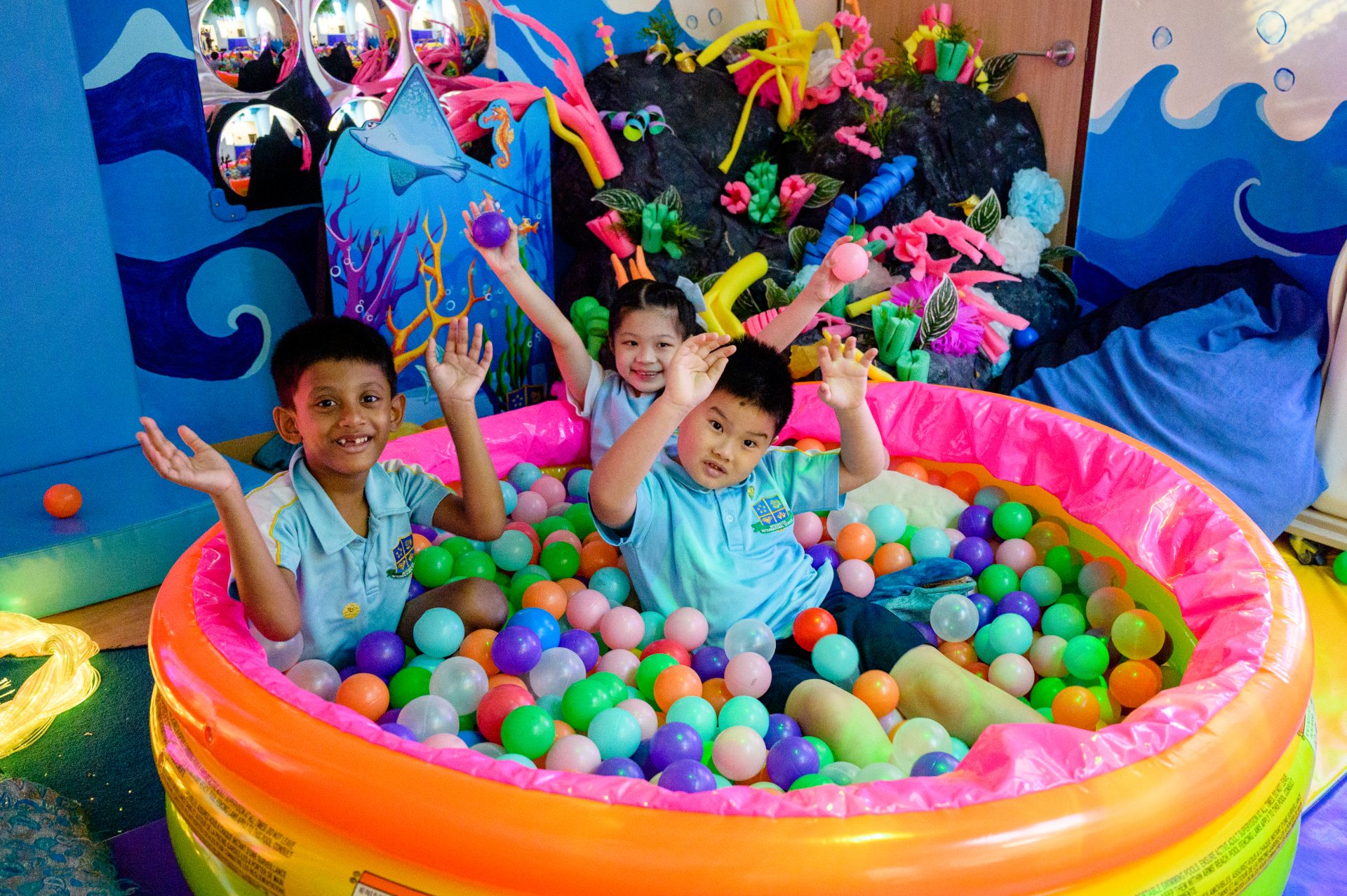
Come down for a campus tour! Witness our tailored teaching approach and inclusive learning programmes in our British curriculum.
What to Consider When Choosing an International Primary School for Your Child
Choosing the right international primary school is one of the most important decisions parents make in their child’s early education journey. Beyond academics, the right school shapes how children think, communicate, and grow socially in an increasingly global world.
With many options available, understanding what truly matters can help parents make a confident, informed choice that supports both learning and long-term development.
What Is an International Primary School?
An international primary school typically offers a globally recognised curriculum delivered in English, such as the International Baccalaureate (IB), Cambridge, or other international frameworks. These schools emphasise inquiry-based learning, critical thinking, and global awareness, preparing children for diverse educational pathways worldwide.
Unlike local systems, international primary schools often focus on holistic development, cultural understanding, and transferable skills that support lifelong learning.
Why Choose an International Primary School?
The answer often lies in the holistic approach these schools take. International schools balance academic rigour with personal growth, fostering communication, collaboration, and problem-solving skills, all whilst touting an internationally-recognised curriculum. For families relocating internationally or seeking a future-ready education, these schools provide continuity, adaptability, and a global perspective that benefits children throughout their academic journey.
Still not convinced? Here’s a little more insight into what makes international education so powerful for young children.
Internationally-Acclaimed Syllabus
When evaluating an international primary school, understanding its curriculum and teaching philosophy is essential. Strong international programmes focus on inquiry-led learning and practical application, helping children connect knowledge across subjects. This approach nurtures critical thinking, creativity, and independent learning, ensuring students not only achieve academically but also develop skills for lifelong learning.
In short, international schools focus on how children learn, not just what they learn.
How Diversity in Primary Schools Helps Your Child Grow
One of the greatest strengths of international primary schools is diversity. Learning alongside peers from different cultures and backgrounds helps children develop empathy, cultural awareness, and social intelligence.
Diversity in international primary schools creates inclusive environments where children learn to respect differences, collaborate effectively, and see the world through a broader lens: skills that are increasingly valuable in adulthood.
Teaching Quality and Student Support
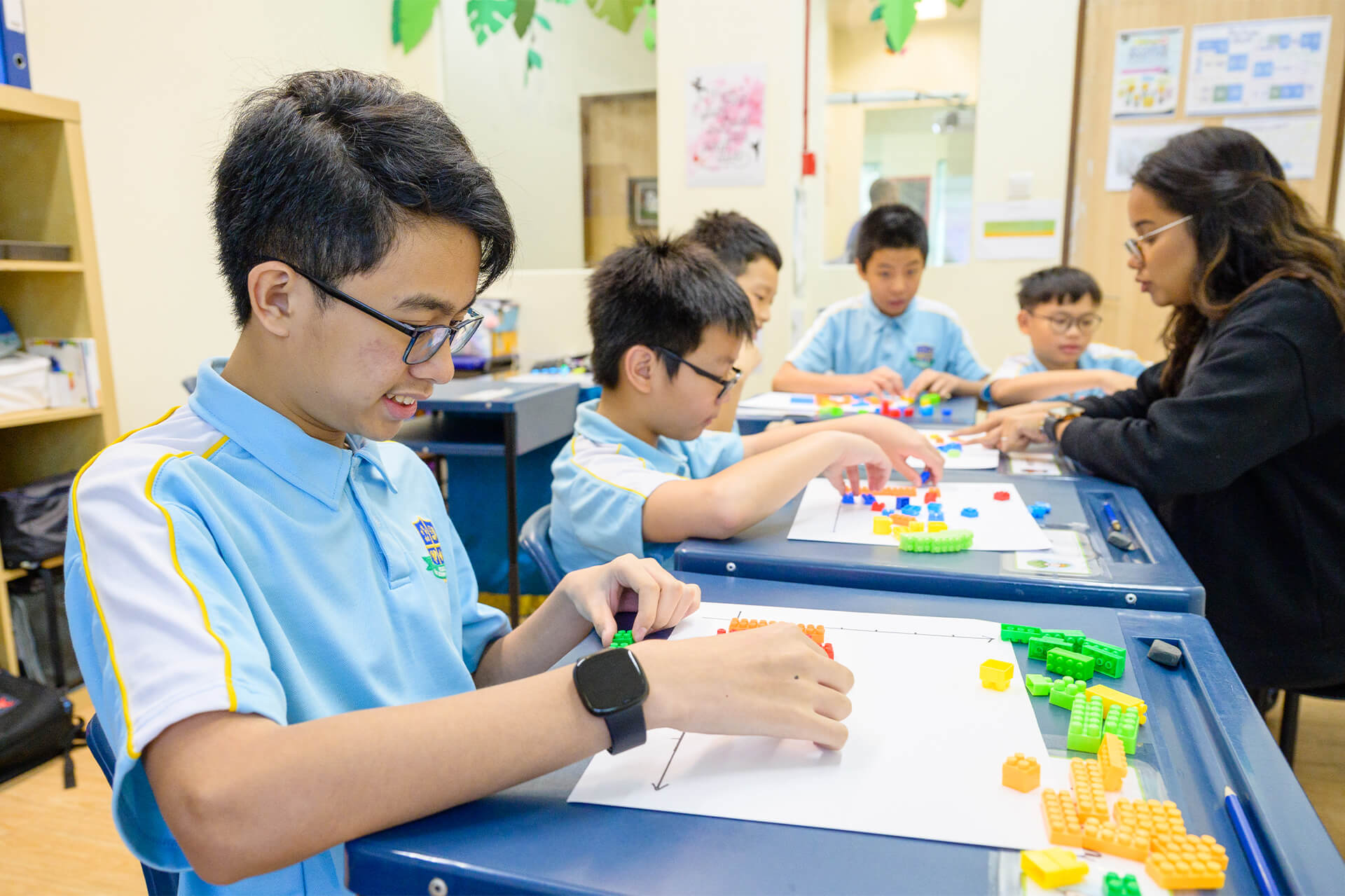
The quality of teaching and the level of student support are vital factors in a child’s education. Experienced educators trained in international curricula can tailor lessons to meet individual learning needs. Furthermore, strong pastoral care ensures children feel supported emotionally and socially, while regular communication between teachers and parents builds trust and enhances the overall learning experience. Many international schools also boast smaller class sizes , which often allow teachers to understand each child’s strengths, challenges, and learning needs — ensuring no student is overlooked.
Learning Beyond The Classroom
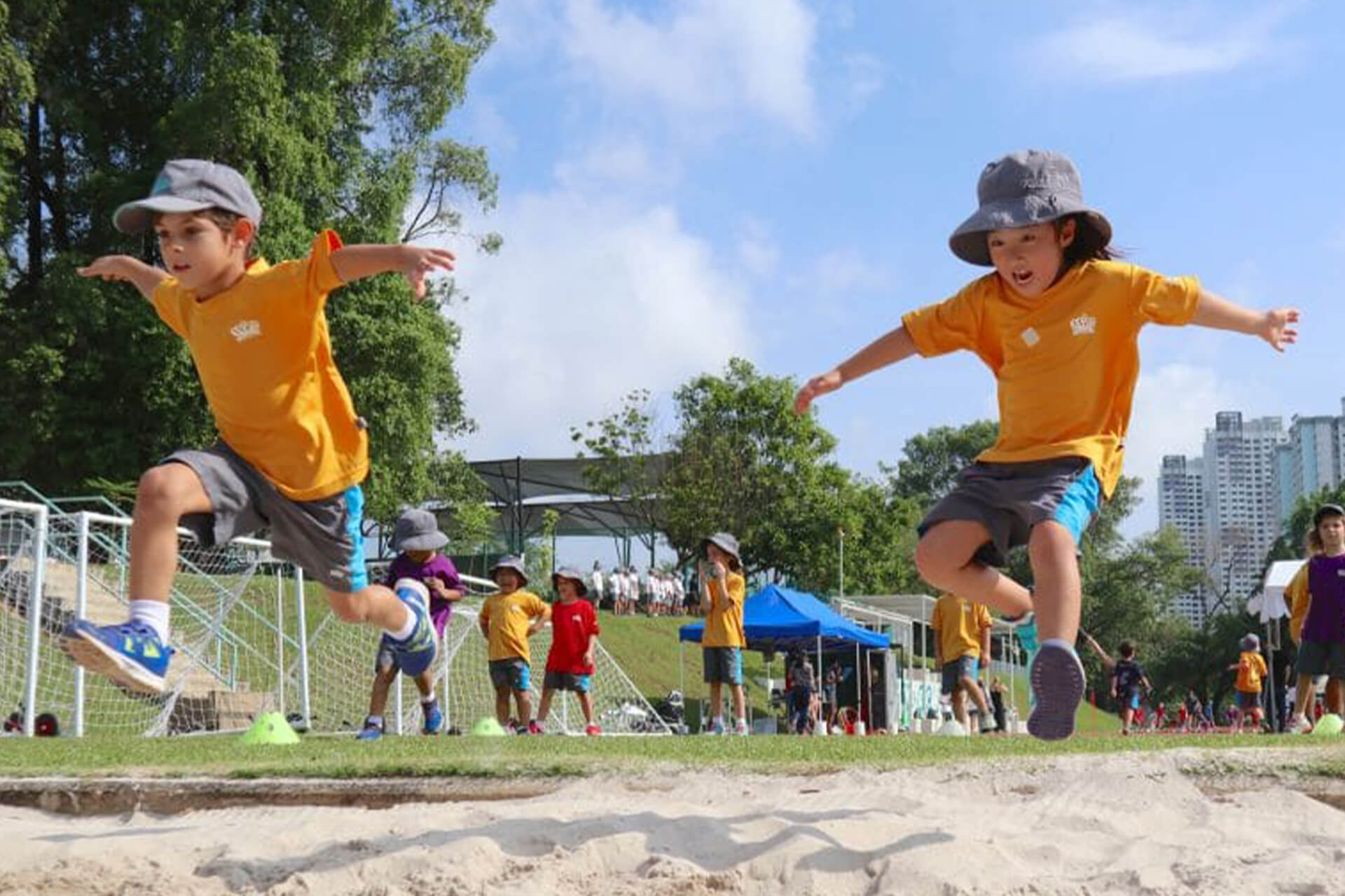
A strong international primary school values development beyond the classroom. From sports and arts to languages and enrichment programmes, many international primary schools often offer a wide range of extra-curricular activities. These activities support holistic development, helping children discover their interests, build confidence, and develop leadership and teamwork skills. A well-rounded education lays a strong foundation for future success not by honing in only on studies, but by ensuring children grow academically, socially, emotionally, and physically.
Joining A Community
A school’s culture, values, and community are just as important as its academic programme. Inclusive environments foster a sense of belonging, encourage respect, and help children develop positive social skills. Schools that actively engage parents and promote community involvement create strong connections that support both students and families.
Creating A Safe Learning Environment
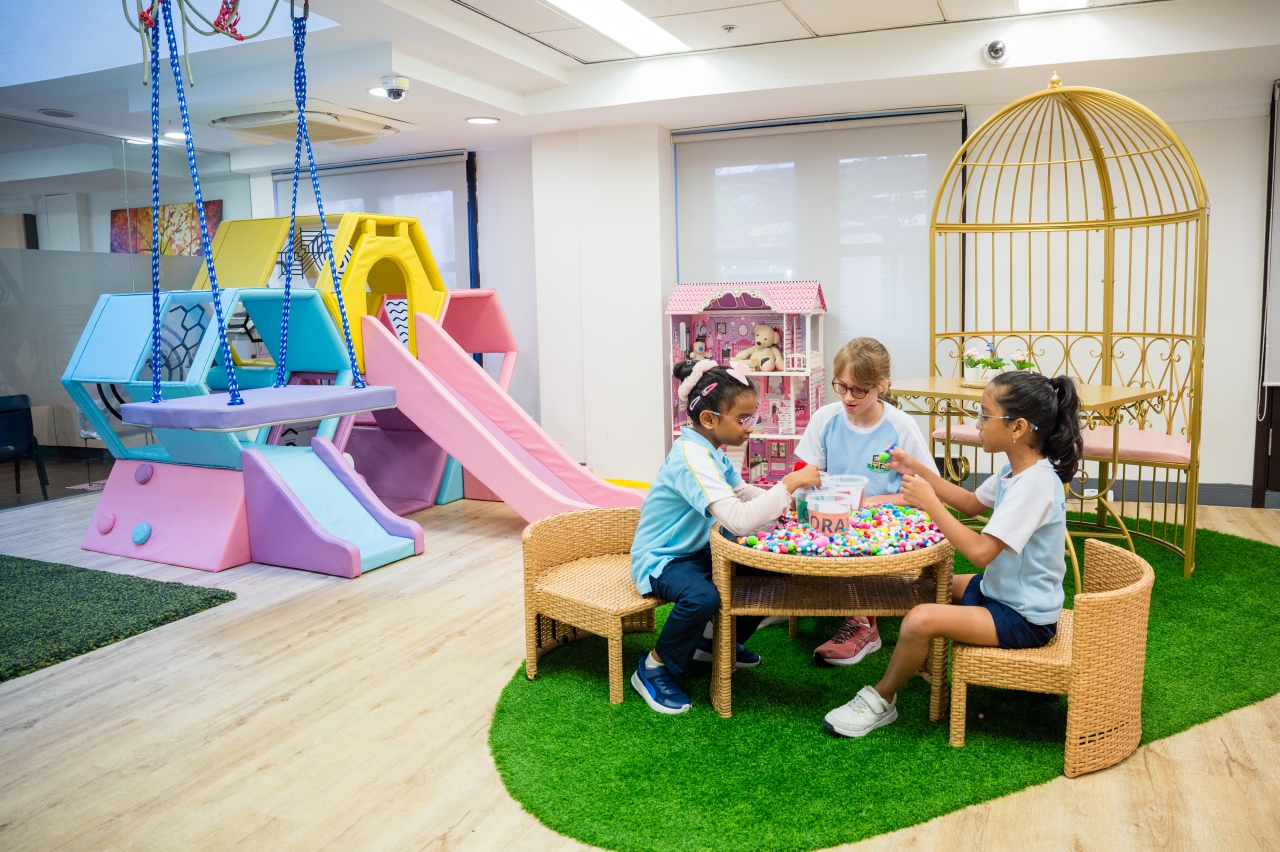
The physical environment and resources of a school can greatly impact learning. Well-designed classrooms, outdoor spaces, and appropriate class sizes contribute to focused, engaging, and personalised learning experiences. Facilities that prioritise safety, creativity, and comfort support children’s curiosity and motivation to learn.
Factors Parents Should Consider
Practical considerations also matter when choosing an international primary school, including:
- Location and commute time
- School calendar and daily schedule
- Fees, admissions processes, and waiting lists
- Availability of student support services
Balancing educational quality with daily logistics helps ensure a sustainable, stress-free experience for both parents and children.
Making The Right Choice For Your Child
Ultimately, the best international primary school is one that meets your child’s academic, emotional, and social needs. Further observing how your child responds to the school culture, teaching approach, and peer interactions provides valuable insight. When selected thoughtfully, an international primary school equips children with academic knowledge, global perspectives, and the personal skills to thrive in an ever-changing world.
Recent Posts